
Finding Emotional Resilience in Midlife Through Connection with the Wild
In midlife, life can feel like walking through shifting light under a big, leafy tree: some spots feel warm, safe and golden, others shady, chilly and strange. Our routines, commitments, and shifting roles can pull us into a treadmill of doing, achieving, and coping — leaving the inner landscape a little brittle, a little raw. But what if the roots of healing, resilience and joy are not found in another goal or to-do list, but under our feet, in soil, leaves, sky and the soft pulse of seasons?
That’s the path of reconnection with nature. For many midlife women, nature becomes a wise and gentle companion — a mirror to our inner seasons, a soft reset button, a slow, grounding breath in a busy life. And the good news: the benefits are real, measurable, and accessible.
In short: nature offers a natural therapy. It doesn’t require a waiting list or prescription — just presence.
What Nature Does for Emotional Resilience — The Mechanisms
1. Calms the nervous system and reduces stress: Nature lowers our stress hormones, slows the heart rate and helps the body shift out of fight-or-flight mode. Even sitting or walking in a natural setting — no heavy exercise required — can reset our nervous system.
2. Boosts mood and emotional balance: Green and blue spaces (forests, gardens, rivers, coastlines) tend to lift mood, enhance feelings of calm, joy or awe, and support emotional regulation.
3. Restores mental clarity, creativity and focus: Nature offers a gentle mental reset: away from devices, deadlines, noise. Studies show that even brief exposure — walking through a leafy park after a mentally taxing task — improves mood and working memory more than an equivalent urban walk.
4. Fosters a sense of belonging, meaning and perspective: Being part of the natural world connects us to something larger than ourselves — rhythms, cycles, resilience, renewal. This broader perspective can soften midlife uncertainty and revive inner strength.
5. Encourages simple self-care rituals: Nature invites slower, grounded habits — watering plants, potting seeds, growing herbs or flowers, noticing seasonal changes. These rituals are accessible, affordable, and deeply nourishing.
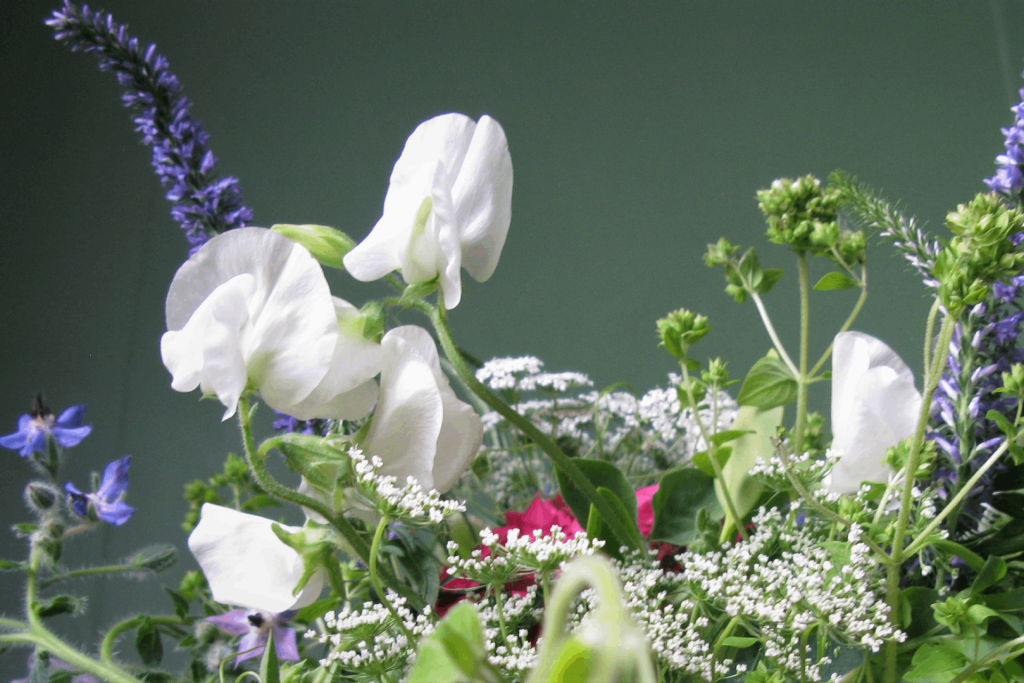
Actionable Ways to Bring Nature-Based Emotional Resilience Into Your Midlife
You don’t need a cottage in the countryside or your own forest. Here are ways to begin weaving nature into everyday life, even if you live in town, your garden is modest, or time is tight.
• Plant a small pot or windowsill garden — herbs (chamomile, lemon balm, mint) or flowers. Tend, water, smell, watch them grow. Treat it as a micro-meditation.
• Take “nature breaks” — 10–20 minutes outside: walk down a leafy street, sit on a park bench, watch birds or trees. Studies suggest even short periods of nature contact can reduce stress.
• Practice mindful walking or listening — as you move, tune in: the breeze on your skin, leaves rustling, birdcalls, subtle scents. Let nature awaken your senses.
• Bring nature indoors — houseplants, natural light, even pictures or recordings of natural scenes can help if outdoor access is limited. Research shows even indirect exposure supports mental health.
• Reflect and journal — after a walk or time outdoors, write down what you noticed, how you felt. That sense of noticing deepens the connection and embeds calm.
• Combine nature with gentle ritual — seed-planting, herbal tea from your garden, meditations inspired by natural metaphors (roots, growth, seasons, storms, calm).
Digi Penn
Great points to consider and reflect upon – thanks for sharing